Translated from the original Romanian.
Day 10: Longyearbyen
29 July 2025
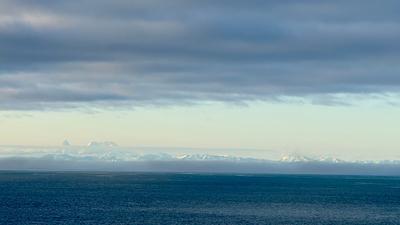
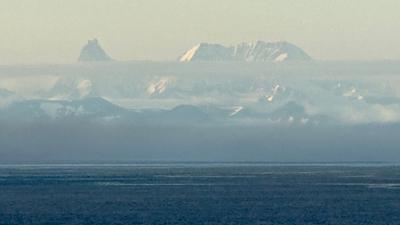
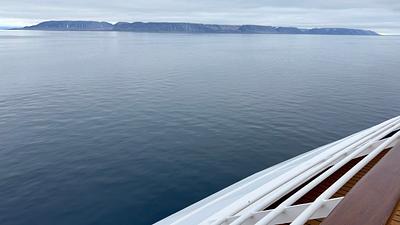
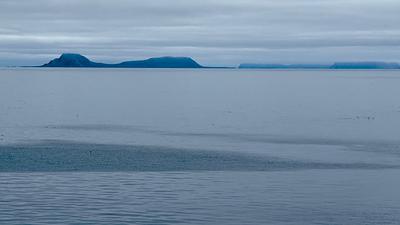
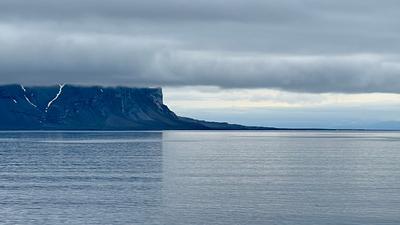
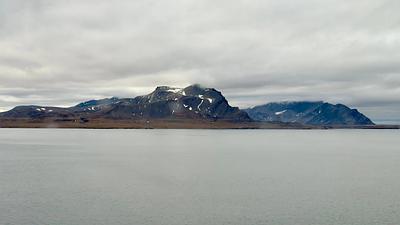
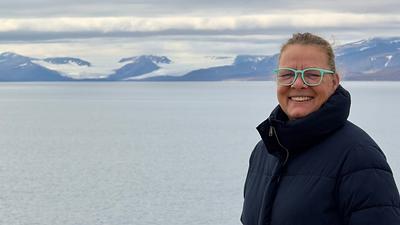
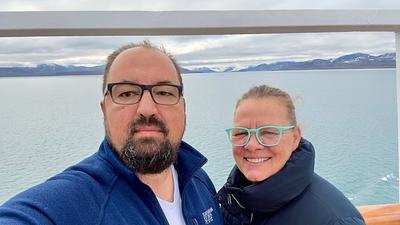
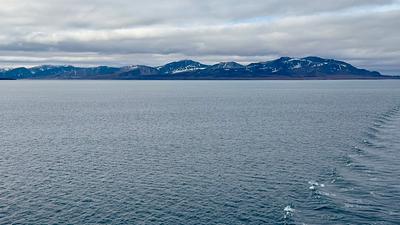
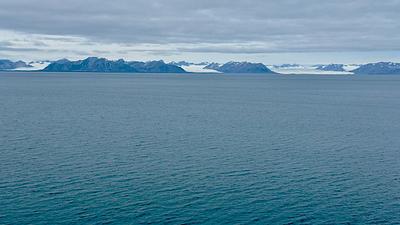
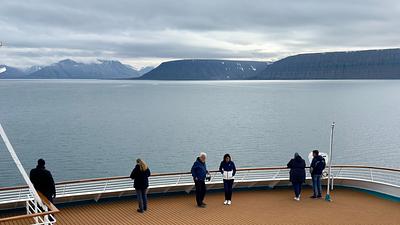
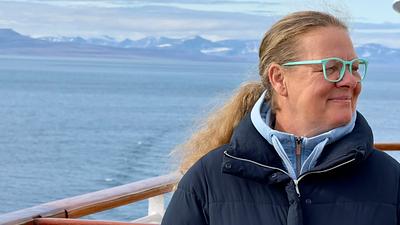
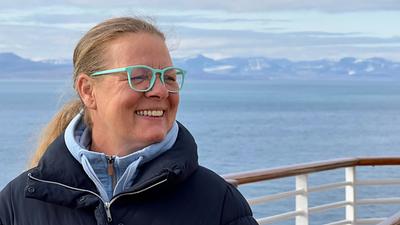
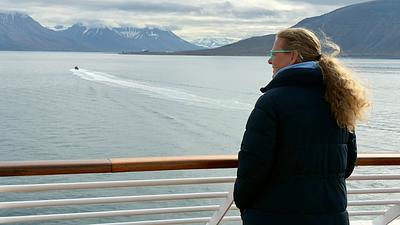
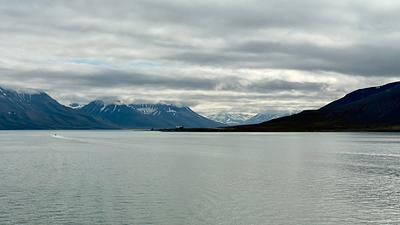
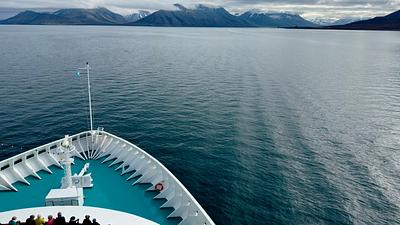
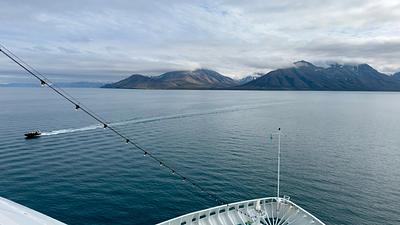
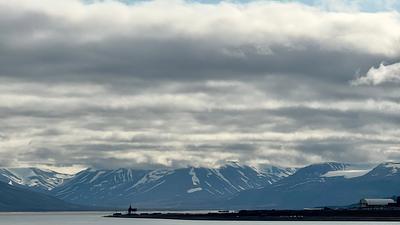
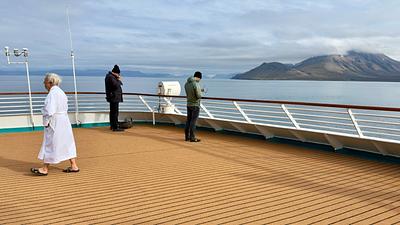
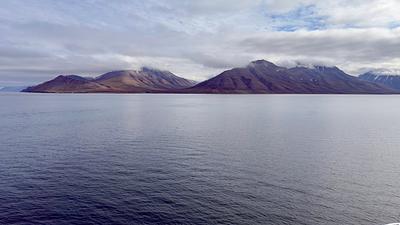
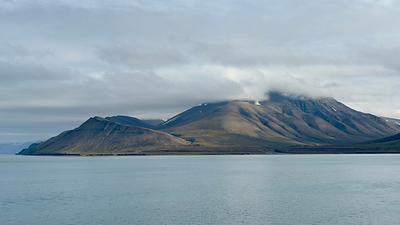
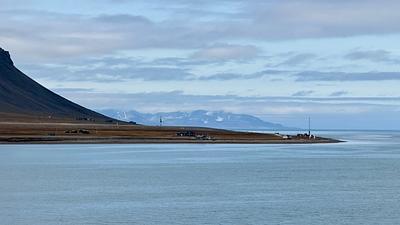
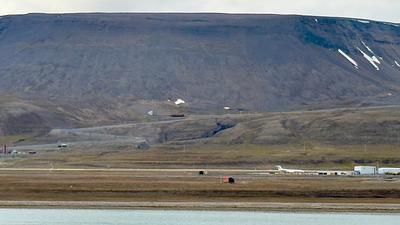
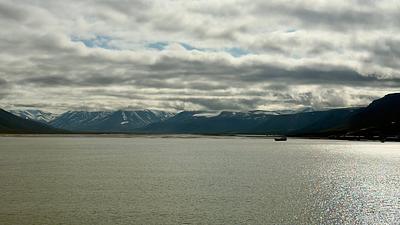
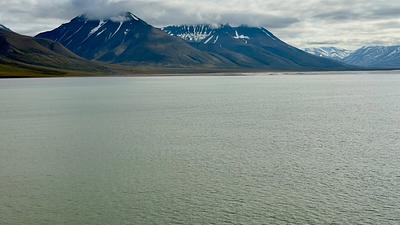
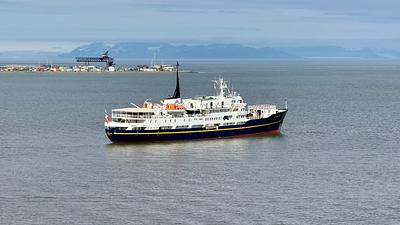
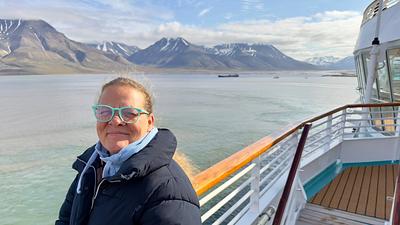
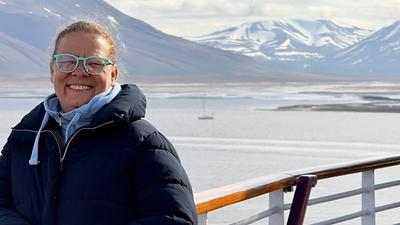
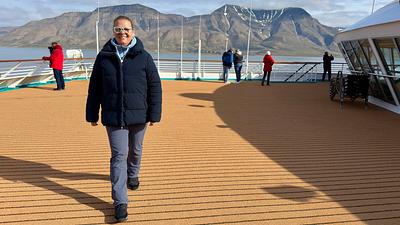
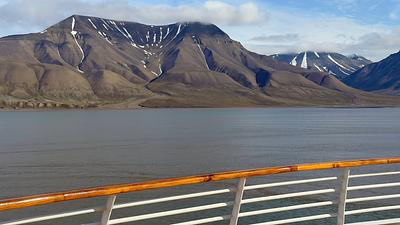
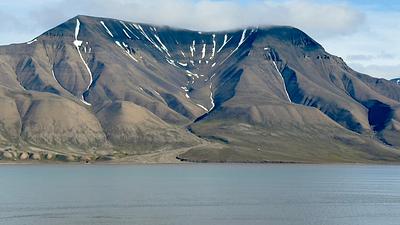
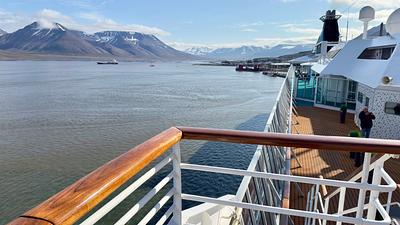
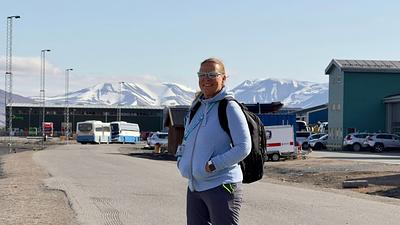
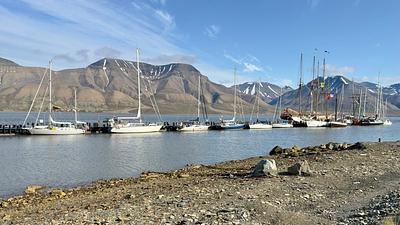
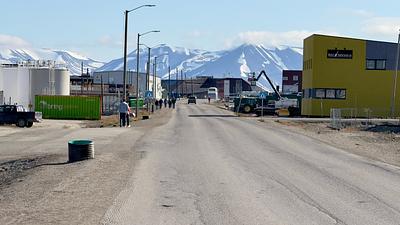
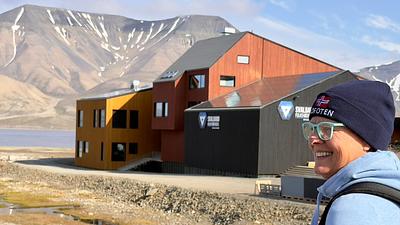
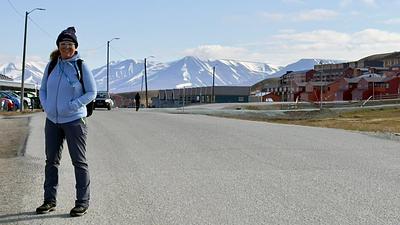
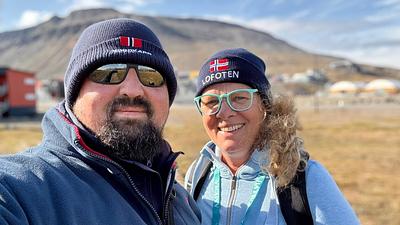
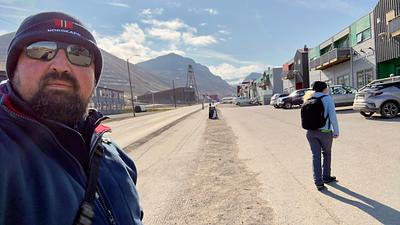
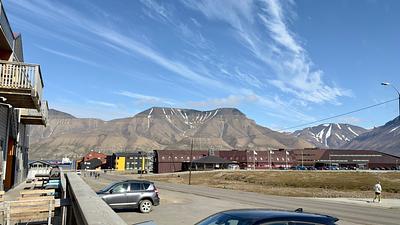
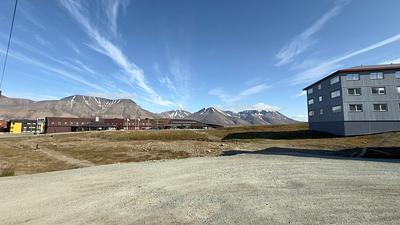
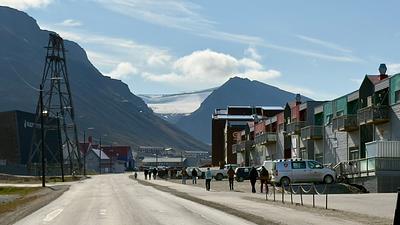
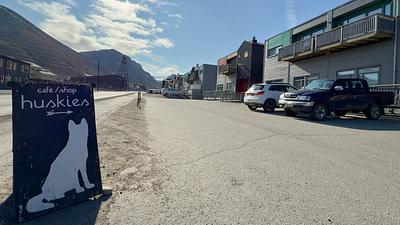
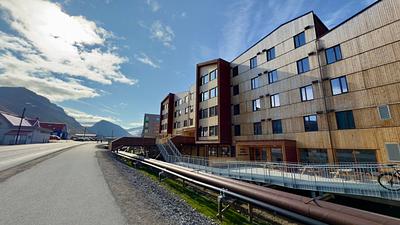
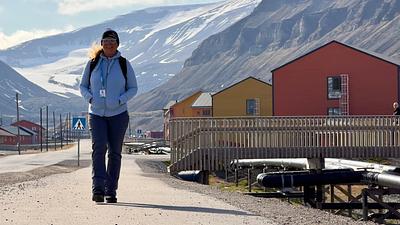
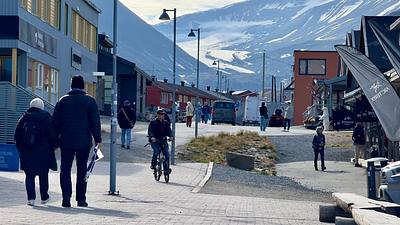
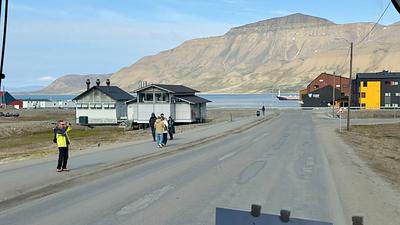
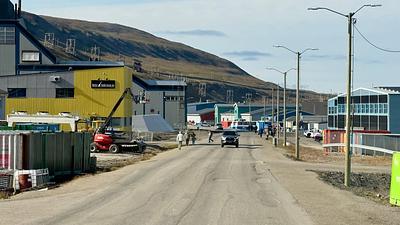
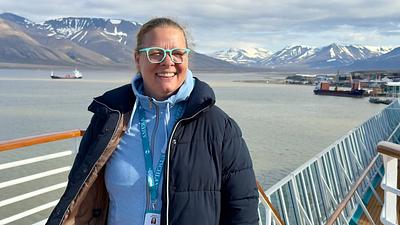
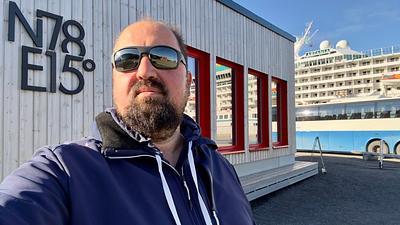
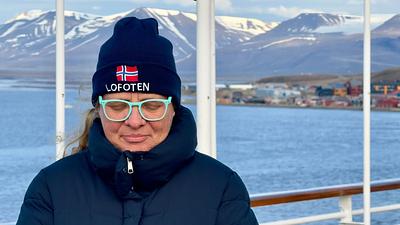
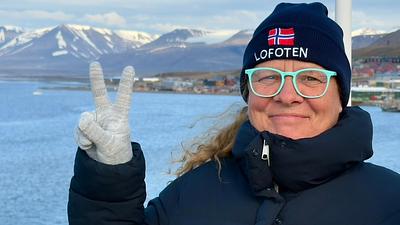
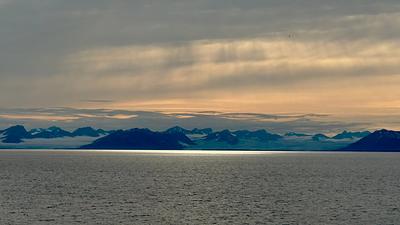
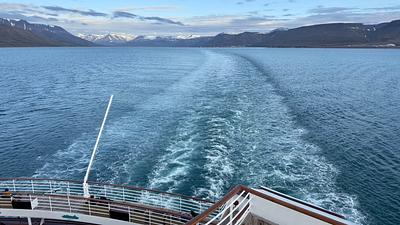
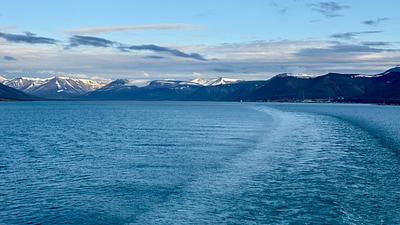
Day 10 — Longyearbyen. The 78th parallel. Only 12 degrees now separate us from the North Pole. Svalbard, a largely wild and empty archipelago, whose largest island, Spitsbergen, has its capital at Longyearbyen — a small town of around 2,500 people.
Strangely, and hard to explain… I felt at home here immediately.
But which "home"? Because I don't actually have one. I'm rootless, same as my wife — maybe that's part of why we get along so well. I've felt at home in Berlin, in London, in Hamburg, in Mallorca — maybe even more than anywhere in Romania — but truly at home, nowhere. We're at home everywhere and nowhere.
But in Longyearbyen I felt like I was in Bălan, the town of my childhood. "How so?!" my wife asks me. Hard to explain, hard to put into words.
I mean, of course, the Bălan in my head — the one I've carried around unchanged for half a lifetime, wherever I go. I know plenty has changed since then; it's more connected now, not nearly as isolated as it was when we were kids. But at its core, I doubt the people and the spirit of the place have changed all that much.
I told my wife the same thing, to her despair, when we reached Greenland some twenty years ago: "Well… this is just like Romania!" And I wasn't able to put into words what I meant. But back then we didn't have ChatGPT. Now we do:
"Bălan and Longyearbyen are both places where nature dominates, and human life is shaped by harsh conditions and isolation. Even though one is in the Carpathians and the other in the Arctic, the spirit of the place can be similar: resilient people, tight-knit communities, and a close relationship with the mountain or the tundra."
I learned a ton of interesting things about Longyearbyen and Spitsbergen, but I'll just give you two, briefly — you've got ChatGPT or Google too if you're curious to learn more:
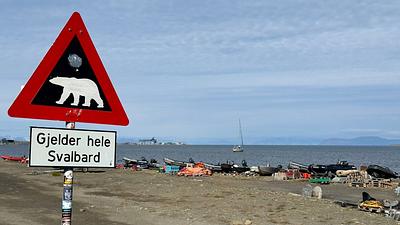
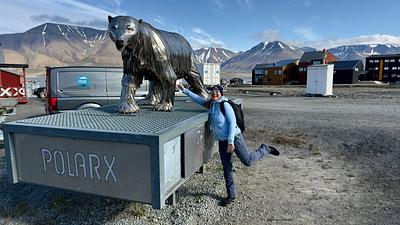
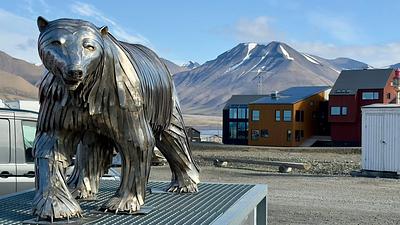
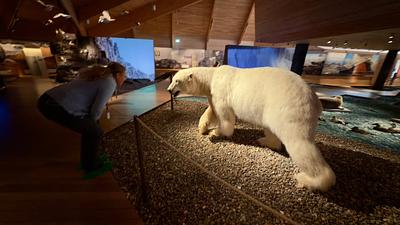
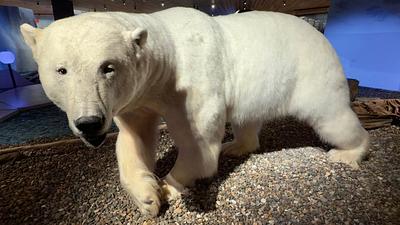
1. As a resident, you can buy a pistol or rifle from the sporting goods store, and you're not allowed to leave town without a rifle on you, because of the polar bears.
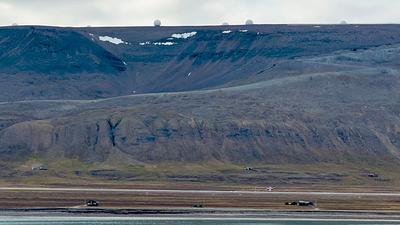
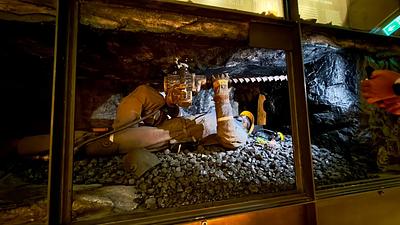
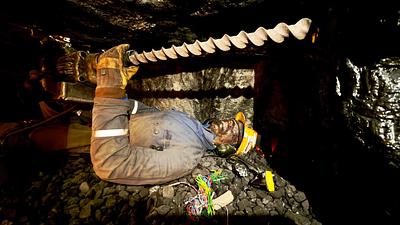
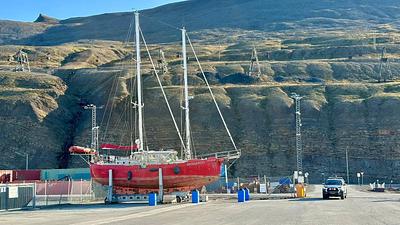
2. A treaty from 1920 lets all its signatory nations exploit the area in various ways. So Longyearbyen is a patchwork community of scientists, students, traders, and tourism workers — it has a museum and a university center, and hosts a bunch of scientific projects, like the antennas for the European "GPS" system Galileo, or humanity's seed vault. It also had several coal mines, but on July 1st they just closed the last one — and the Russians have an active settlement too, Barentsburg, where they still mine coal just to have an excuse to maintain a presence here — plus one or two abandoned ones.
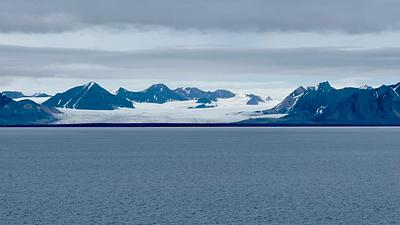
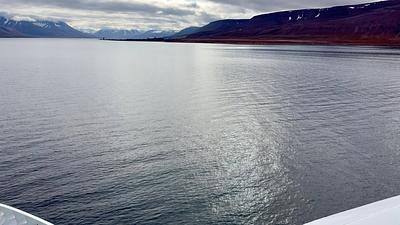
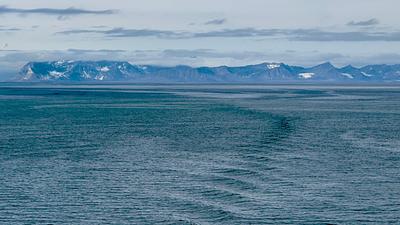
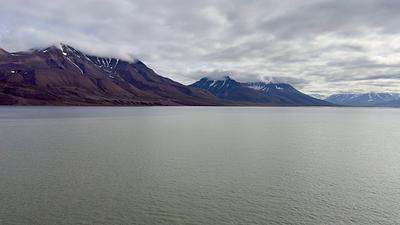
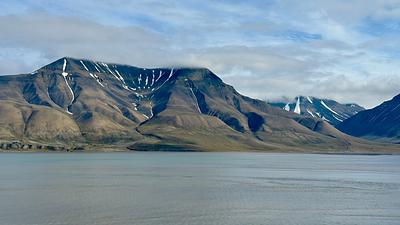
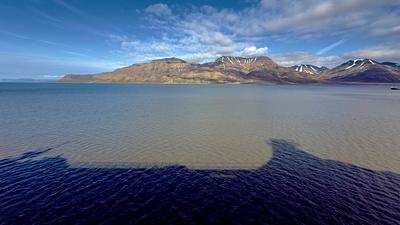
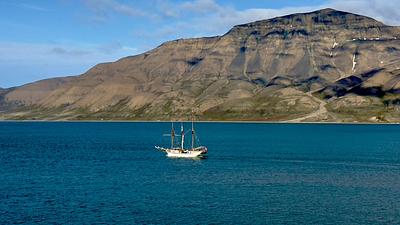
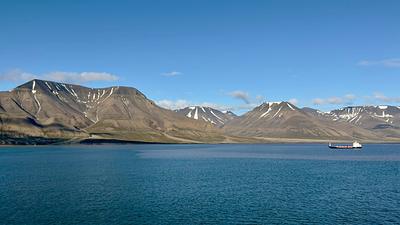
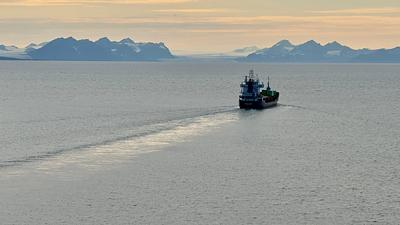
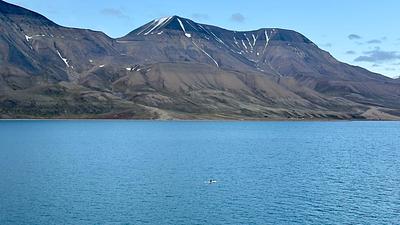
So it's a wild, harsh place, but incredibly beautiful, with unforgettable landscapes — isolated, but with devoted fans who come here from every corner of the world. A place where many languages are spoken (Thai, surprisingly — there's even a Thai restaurant), a place with simmering political tensions where people still live civilly, despite the cultural and political differences, a place where it's cold for six months and winter the rest of the time.
So why am I even surprised I feel at home here?
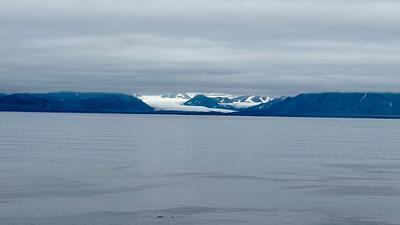
The only difference seems to be that instead of fir forests, they have the sea and glaciers — which is also why their bears are white instead of brown.
Now I sit here wondering: however much longer I have left to live, where am I more likely to end up again — Bălan, or Longyearbyen?
🙂

← → Previous / next entry
↑ ↓ Browse photos
Space Open / close a photo
Esc Close a photo
Tap left or right on an open photo to navigate